
Three days of conversations, cases, collaboration—and even watercolours—showed that research integrity is not simply something researchers learn. It is something they practise, question and build together.
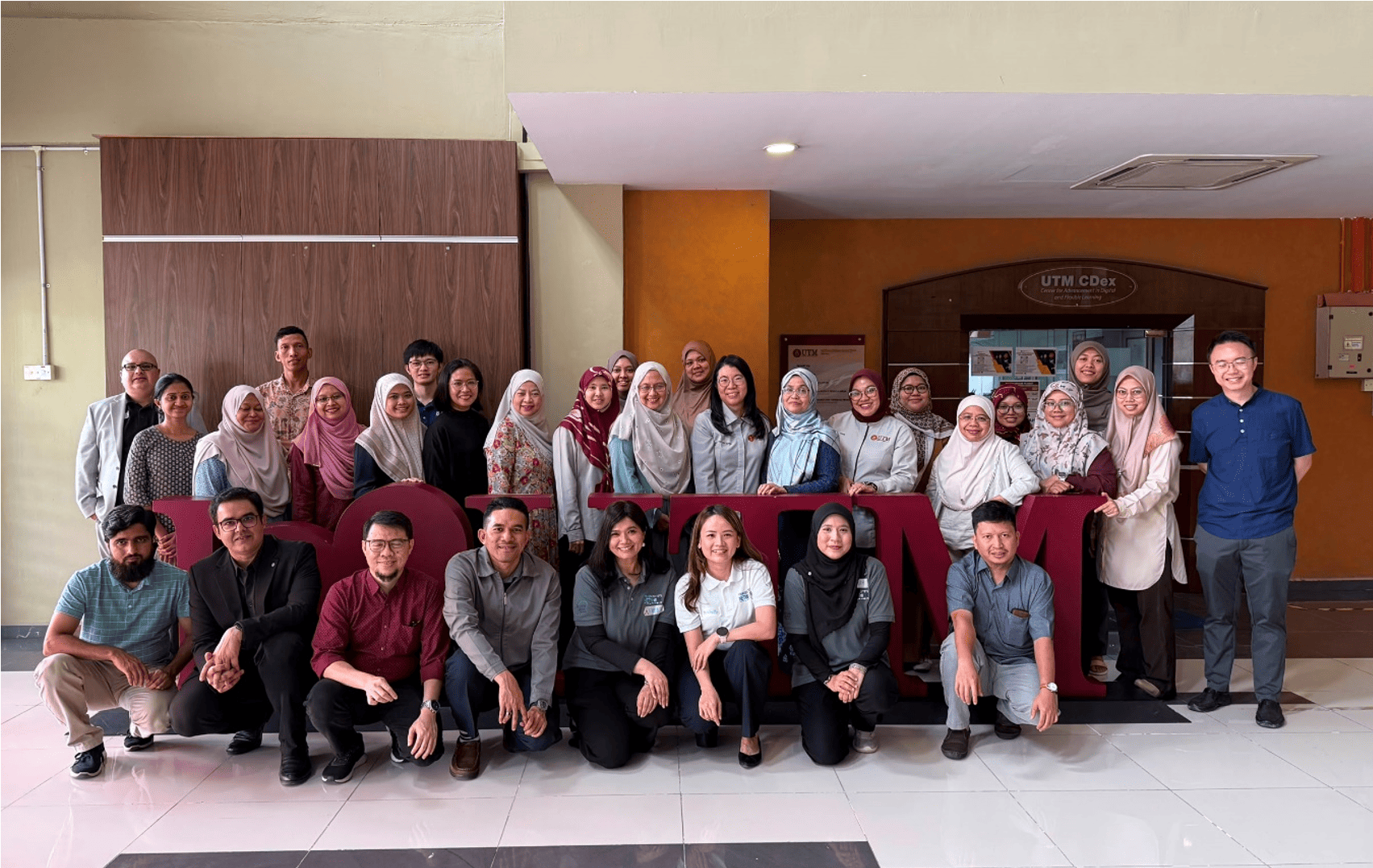
Building a culture of research integrity together: YSN-ASM and UTM trainers with participants of the three-day Responsible Conduct of Research Programme at Universiti Teknologi Malaysia.
What does it really mean to conduct research responsibly?
The answer is rarely found in a checklist.
From 10 to 12 August 2026, the Young Scientists Network–Academy of Sciences Malaysia (YSN-ASM), in collaboration with the Universiti Teknologi Malaysia Research Ethics Committee (UTM REC), conducted the Responsible Conduct of Research (RCR) Programme at the School of Graduate Studies (SPS), Block F54, UTM.
The programme brought researchers and trainers together not merely to learn rules and policies, but to explore the realities behind them: the difficult decisions, competing responsibilities, grey areas and human relationships that shape the way research is actually conducted.
Because research integrity is ultimately not about knowing the right definition. It is about knowing what to do when the answer is not obvious.
Turning Research Integrity into a Conversation
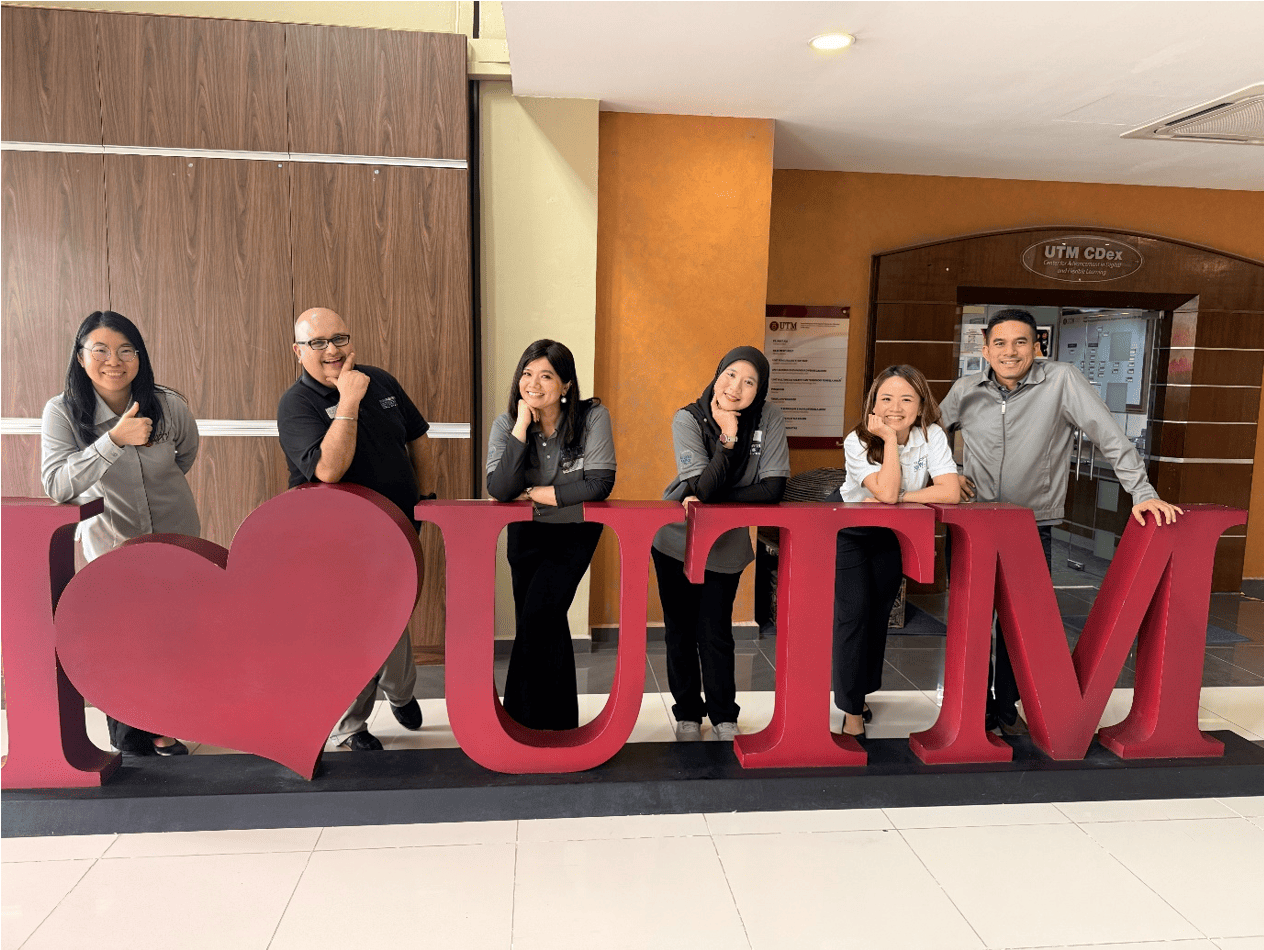
The YSN-ASM and UTM training team brought multidisciplinary perspectives together to explore responsible research beyond rules and compliance.
Research today is increasingly collaborative, interdisciplinary, data-intensive and technologically complex. With that complexity come questions that researchers cannot always resolve by referring to a policy document.
When does questionable research practice become misconduct? Who deserves authorship? How should competing interests be managed?
Who is responsible for research data? What happens when expectations between mentors and mentees differ?
And how should researchers respond when discoveries intended for good may also have unintended or harmful applications?
Leading the initiative was Asst. Prof. Ts. Dr. Michelle Teo of YSN-ASM, who introduced participants to the RCR programme, guided the training across the three days and helped connect its different components to a larger question: how do we make responsible research part of everyday research practice, rather than something discussed only after a problem occurs?
She was joined by fellow YSN-ASM trainer Dr. Manraj Singh Cheema and a multidisciplinary team of UTM trainers who brought institutional experience and disciplinary perspectives into the programme.
The sessions were facilitated by Assoc. Prof. Dr. Muhammad Hadi Bunyamin, who explored researchers’ ethical values and responsibilities as well as mentor–mentee relationships; Assoc. Prof. ChM. Dr. Sheela Chandren, who led discussions on research misconduct, culture of safety and dual-use research; Assoc. Prof. Dr. Tan Joo Siang, who addressed conflicts of interest; Dr. Ana Haziqah A Rashid, who facilitated research data management; and Assoc. Prof. Dr. Nornazira Suhairom, who explored authorship and publication.
On the final day, Dr. Michelle Teo led the discussion on collaborative research before concluding the programme with a master trainer debrief. The breadth of the programme reflected an important reality: research integrity does not reside in one policy, one committee or one stage of the research process. It runs through the entire research ecosystem.
Serious Topics, Creative Learning
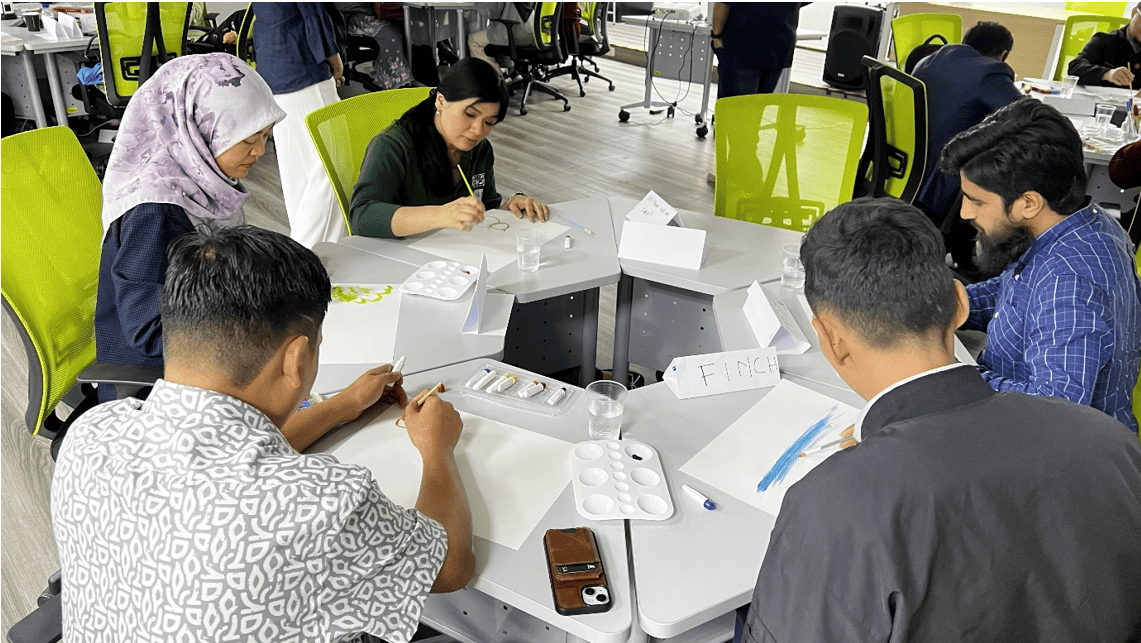
Integrity through experience: participants explore collaboration, shared responsibility and different perspectives through an unconventional watercolour activity facilitated by Dr. Manraj Singh Cheema of YSN-ASM.
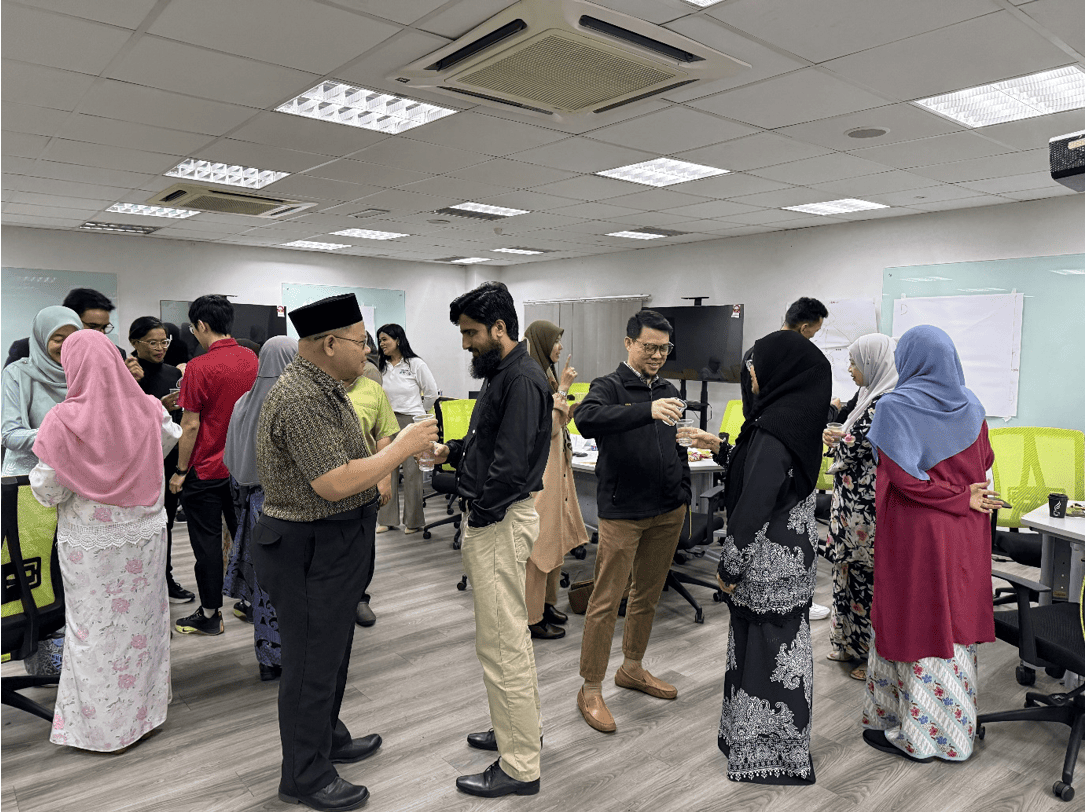
There was no shortage of serious subject matter: research misconduct, authorship disputes, conflicts of interest, data responsibilities, power relationships, safety and dual-use research. Yet the programme deliberately avoided turning three days of RCR into three days of compliance lectures. Instead, participants worked through realistic scenarios, case discussions, collaborative activities and conversations in which different perspectives could be tested against one another.
The aim was not always to arrive immediately at one perfect answer. Sometimes the most valuable learning began when participants realised that reasonable researchers could initially see the same situation differently.
One participant described the programme as covering “serious matters” in a casual and relaxed manner, while others highlighted the real-life examples, case studies and interactive discussions as particularly valuable.
That balance mattered. A culture of research integrity grows when researchers are able to ask questions, acknowledge uncertainty and discuss difficult situations openly.
And Then Came the Watercolours
On the second afternoon, Dr. Manraj Singh Cheema led participants through an unconventional watercolour activity in which individual creations gradually became shared ones.
At first glance, watercolour painting may appear to have little connection with responsible conduct of research. That was precisely what made the activity powerful.
As participants worked with what others had begun, adapted to unexpected contributions and watched individual ownership evolve into a shared product, the exercise created another way of experiencing ideas that run throughout research itself: collaboration, interpretation, responsibility, trust, uncertainty and respect for the contributions of others.
It also brought something equally important into a programme dealing with challenging ethical questions: curiosity, creativity and human connection. The activity proved memorable enough to appear in participants’ feedback.
Sometimes the lessons that stay with us longest are the ones we experience rather than simply hear.
What Did Participants Take Away?
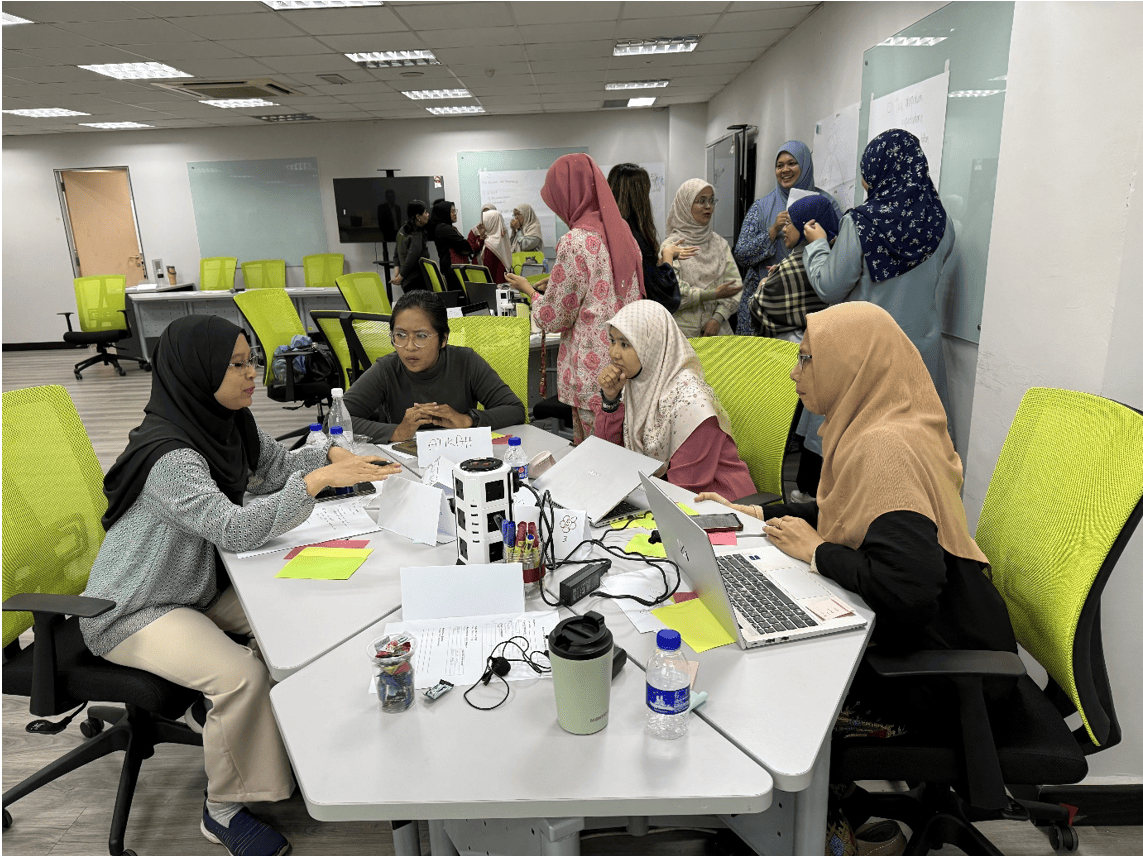
Participants work through research integrity scenarios, compare perspectives and test their judgement during a group discussion.
Post-programme feedback painted an encouraging picture of how the training was received.
A large majority of respondents rated the programme content as highly relevant to their roles as researchers. All respondents indicated that the programme had met or exceeded their expectations, and everyone who completed the survey said they would recommend the training to others.
Participants particularly valued the real-life examples, case studies, interactive activities and opportunities to discuss difficult issues with trainers and fellow researchers.
But perhaps one of the most important outcomes was harder to capture numerically: the programme gave participants an opportunity to reconsider practices that can gradually become routine.
Researchers may already understand the broad principles of responsible research. The harder questions frequently emerge in the details, when responsibilities overlap, expectations differ or established ways of working have simply gone unquestioned.
An effective RCR programme therefore does more than provide answers. It helps researchers recognise when they need to start asking better questions.
From Participants to Future RCR Champions
From participants to multipliers: the programme aimed not only to strengthen individual RCR practice, but to grow the next generation of research integrity trainers and champions.
The programme was never intended to end when the final slide disappeared from the screen. An important objective was to strengthen research integrity capacity beyond the three days at UTM. Encouragingly, more than half of survey respondents expressed interest in becoming trainers or facilitators with YSN-ASM Research Integrity, while a strong majority reported feeling confident or very confident about training others in responsible conduct of research following the programme.
Participants also identified opportunities to continue RCR conversations through faculties, postgraduate programmes, UTM REC and other institutional networks.
They were already thinking about the next frontier. Suggestions for future programmes included the responsible use of artificial intelligence in research and publication, ethical clearance procedures, research grant management, research data management, research communication and more locally grounded case studies.
Those suggestions point towards an important future for RCR. Research is changing rapidly, and the way we prepare researchers to navigate its responsibilities must evolve with it.
Keeping the Conversation Going
The collaboration between YSN-ASM and UTM REC demonstrated what research integrity capacity-building can look like when national expertise meets institutional experience. It created a space in which researchers could discuss not only what responsible research should look like when everything goes well, but also what happens when circumstances become complicated, uncomfortable or uncertain.
Three days cannot prepare a researcher for every ethical dilemma that may arise over an entire career. But perhaps that is not the real measure of success.
A strong RCR programme can help researchers recognise the questions that matter, develop the confidence to discuss them, and build the judgement needed to respond responsibly.
And when participants begin thinking about becoming trainers themselves, the impact extends much further than one workshop.
One conversation becomes another. One group of researchers influences the next.
Gradually, responsible conduct of research moves from being something written in policies to something embedded in the culture of research itself.
That may ultimately be the most important outcome of all.
Prepared by,
Assoc. Prof. ChM. Dr. Sheela Chandren

0 Comments