
Research integrity is not simply about following rules or avoiding misconduct. It is about the decisions researchers make when no one is watching, the values that guide their work and the trust that society places in science.
Every Researcher Has a Responsibility
What happens when an experiment produces unexpected results? Should inconvenient data be excluded? Where do we draw the line between an honest mistake and research misconduct? These are not merely hypothetical questions. They reflect the ethical challenges researchers may encounter throughout their scientific careers.
On 2 September 2026, the Young Scientists Network–Academy of Sciences Malaysia (YSN-ASM), in collaboration with the School of Pharmaceutical Sciences (PPSF), Universiti Sains Malaysia (USM), took an important step towards addressing these questions through the Responsible Conduct of Research (RCR) Workshop 2026.
The workshop marked the first dedicated RCR training at the School, bringing together final-year undergraduate and postgraduate students to explore what it truly means to conduct credible, ethical and responsible research. Facilitated by Assoc. Prof. ChM. Dr. Lee Hooi Ling and Dr. Thaigarajan Parumasivam, the programme sought to move research integrity beyond policies and guidelines and into the everyday decisions that shape scientific practice.
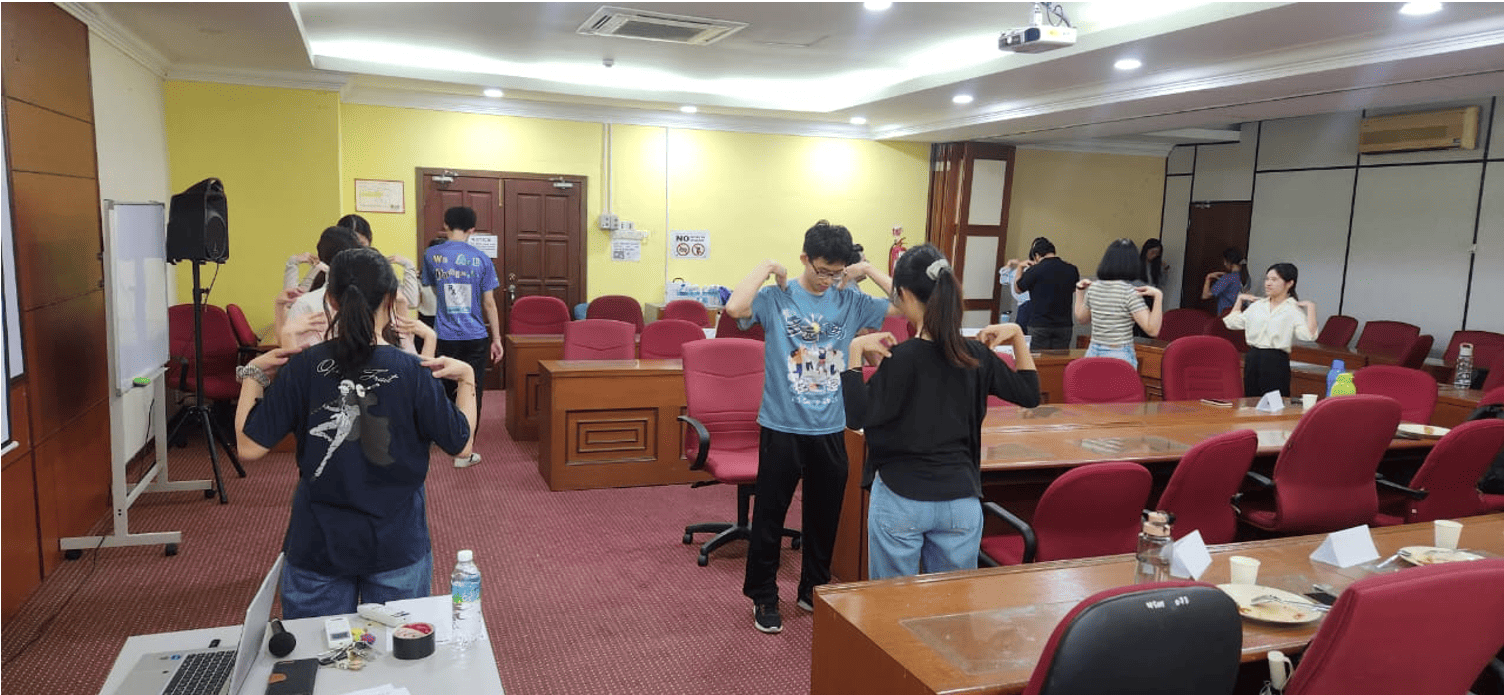
Introduction and ice-breaking activity
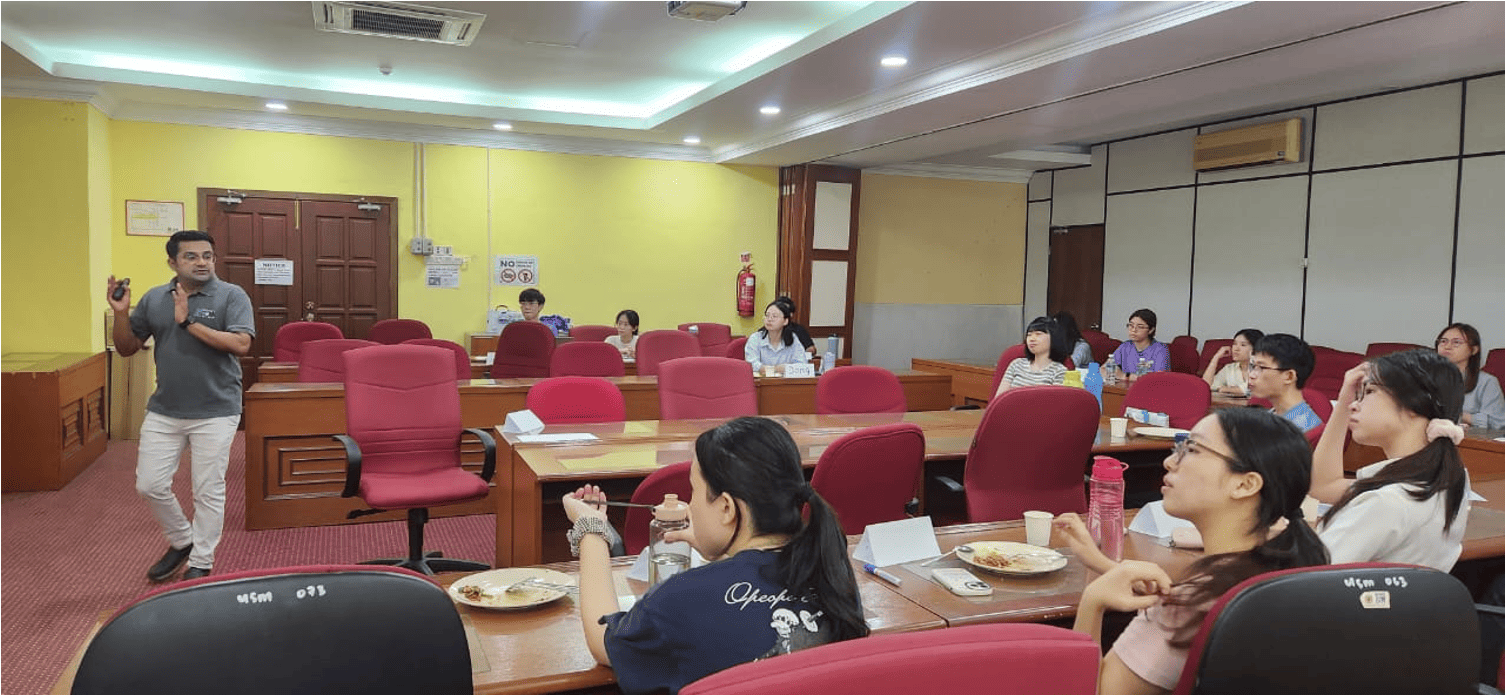
Participants during the research ecosystem/stakeholder activity
When Good Intentions Are Not Enough
Scientific discoveries can transform lives, improve healthcare and advance society. Yet the value of scientific progress depends fundamentally on the integrity of the research behind it. A single questionable decision, whether involving data manipulation, selective reporting or inappropriate authorship, can undermine years of scientific effort and weaken public confidence in research.
The workshop introduced participants to the continuum of responsible research practices, questionable research practices and research misconduct, with particular emphasis on fabrication, falsification and plagiarism. Drawing on real-world cases, participants explored how failures in research integrity can damage scientific credibility, waste valuable resources and affect society far beyond the laboratory. Discussions also examined the pressures that may influence researchers’ decisions, including publication expectations, competition, funding constraints and the pursuit of academic recognition.
These examples reinforced a fundamental message: research excellence cannot be measured by publications, citations or discoveries alone. It must also be measured by the integrity of the process through which knowledge is generated.
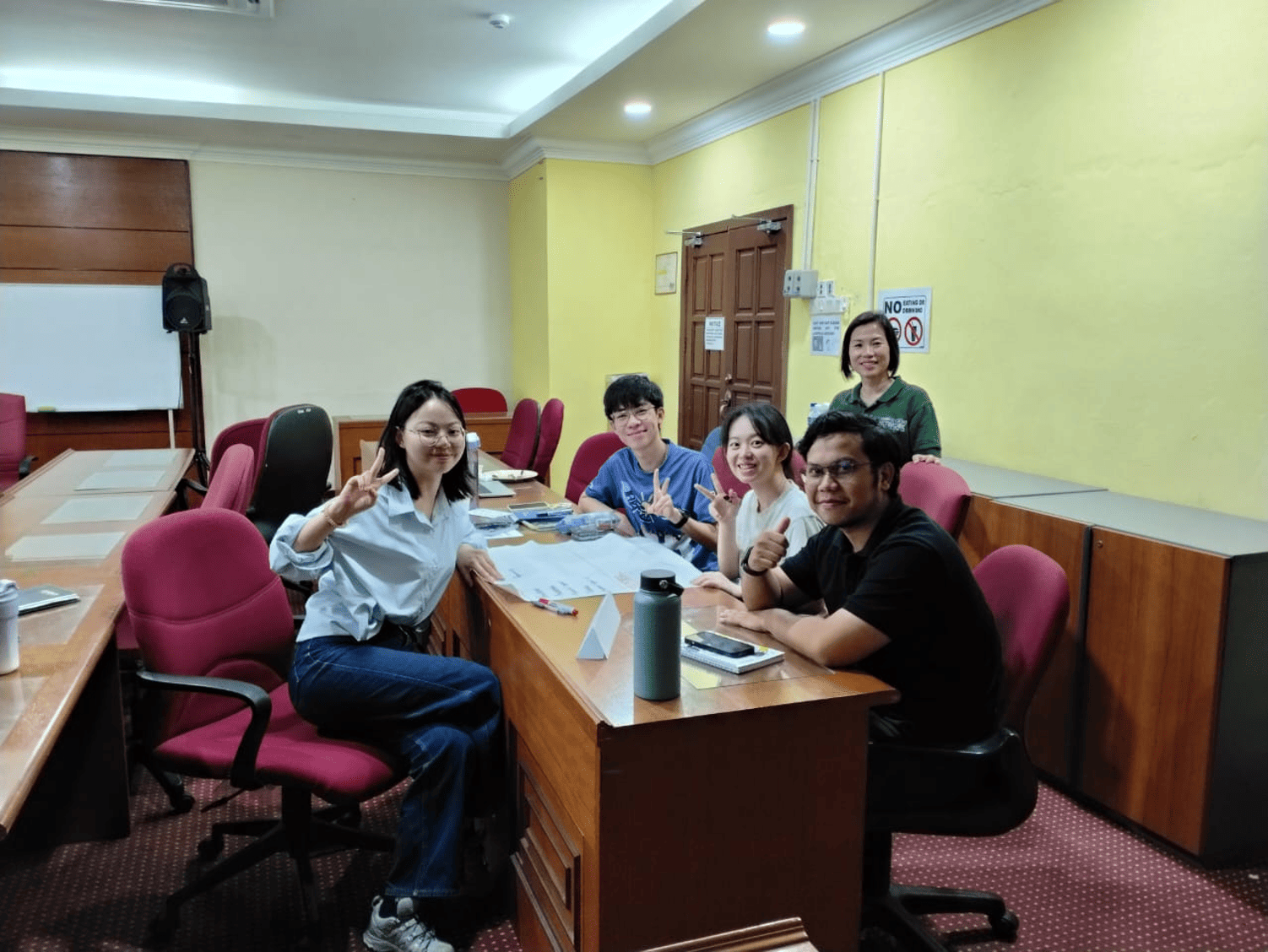
Group discussion and preparation for the “What Went Wrong?” role-play activity
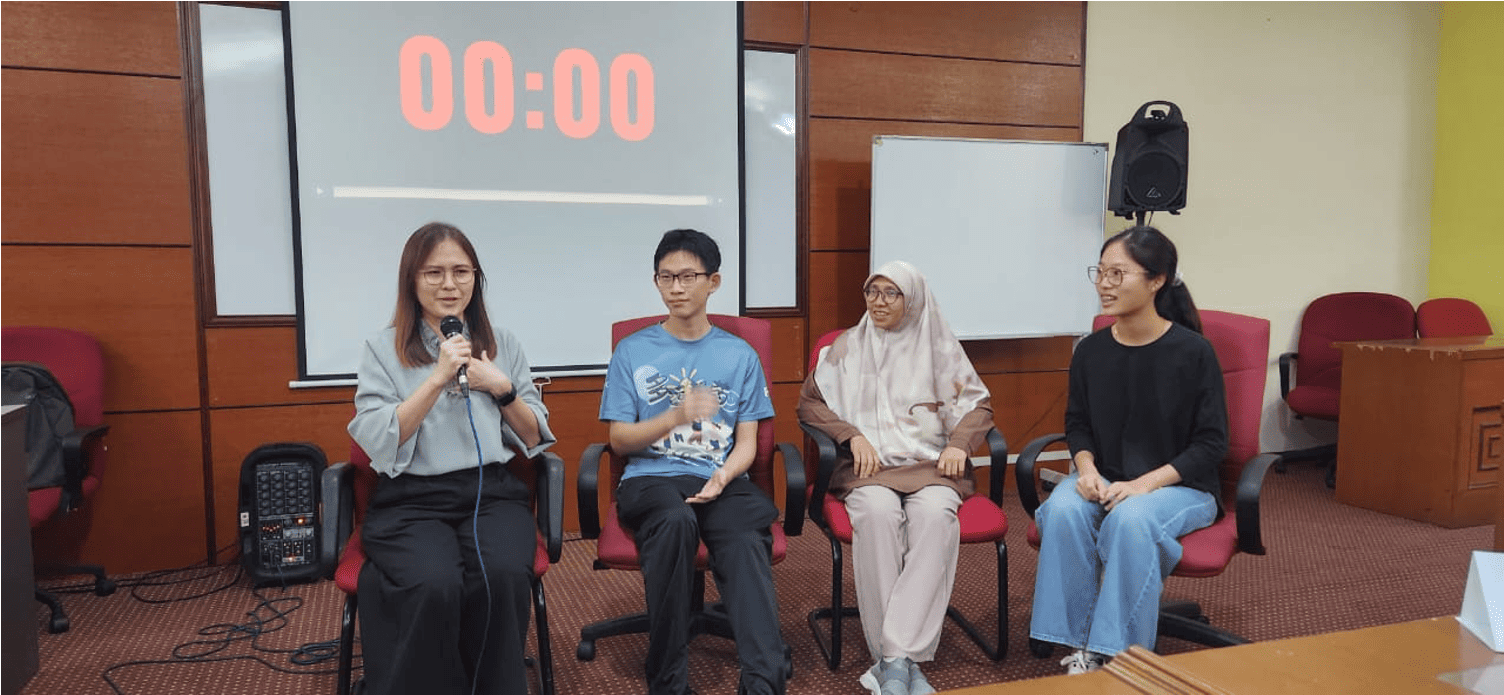
Participants presenting their research misconduct scenarios
Turning Ethical Principles into Everyday Decisions
Rather than treating research ethics as a collection of regulations to memorise, the workshop encouraged participants to examine the practical realities of conducting research. Through interactive discussions and real-life scenarios, students reflected on researchers’ responsibilities and the consequences of decisions made throughout the research process.
The session also explored the wider research ecosystem, highlighting the interconnected roles of students, supervisors, collaborators, institutions, funding agencies, policymakers and the public. Particular attention was given to good research planning, responsible data management, accurate documentation, transparency and accountability. For emerging researchers, recognising these risks early is essential. The workshop therefore aimed not only to help participants distinguish right from wrong, but also to develop the judgement and confidence needed to respond responsibly when ethical boundaries become less obvious.
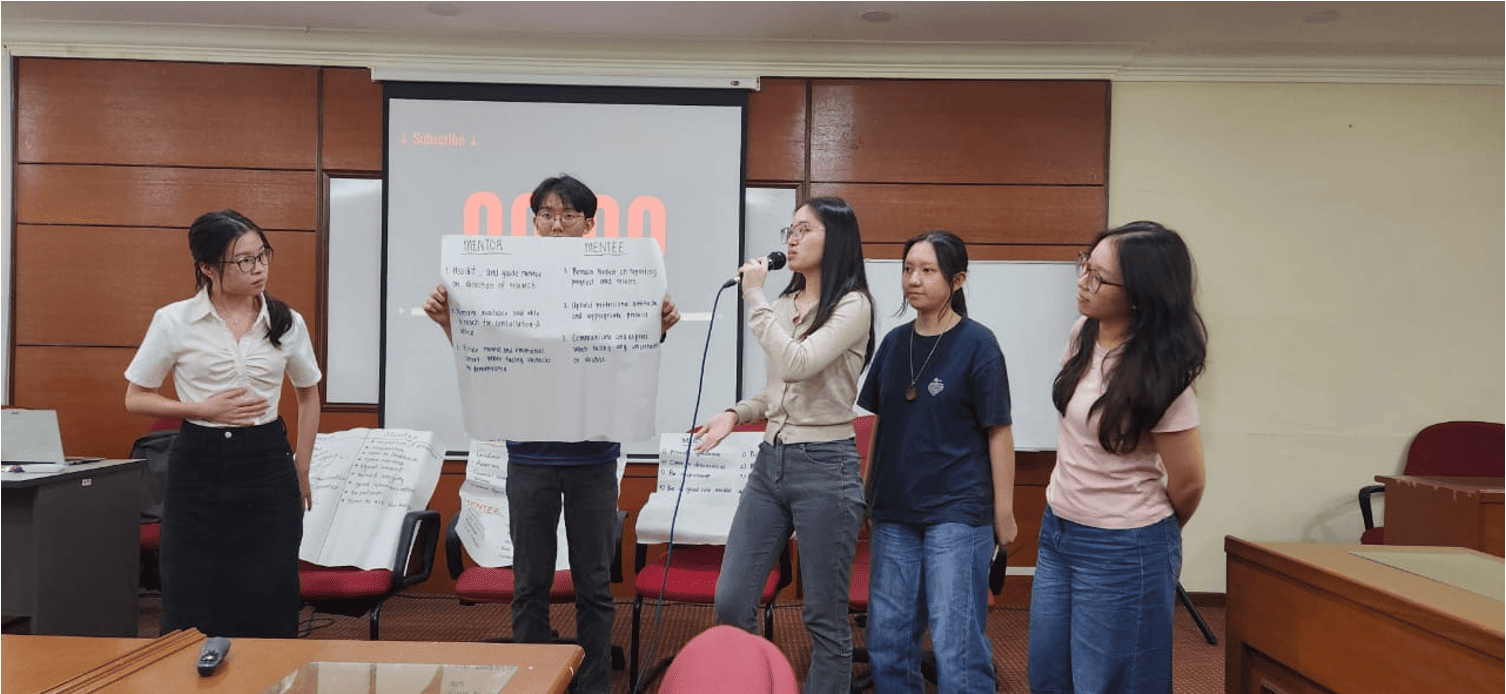
Discussion on research data management and/or mentor–mentee relationships
Research Integrity Begins Before the First Publication
For many undergraduate and postgraduate students, research training understandably focuses on developing technical competencies, mastering experimental methods, generating reliable data, and preparing scientific publications. By engaging students at the beginning of their research journeys, this initiative seeks to establish research integrity as an essential component of scientific training rather than an obligation encountered only when ethical problems arise.
This RCR workshop represents more than a standalone training activity. It signals an opportunity to strengthen a culture in which responsible research is understood, discussed and practised across the faculty. The collaboration between YSN-ASM and PPSF, USM also reflects the importance of connecting national scientific networks with academic institutions to cultivate the next generation of researchers.
Good science advances knowledge. Responsible science earns trust. And lasting scientific excellence requires both.
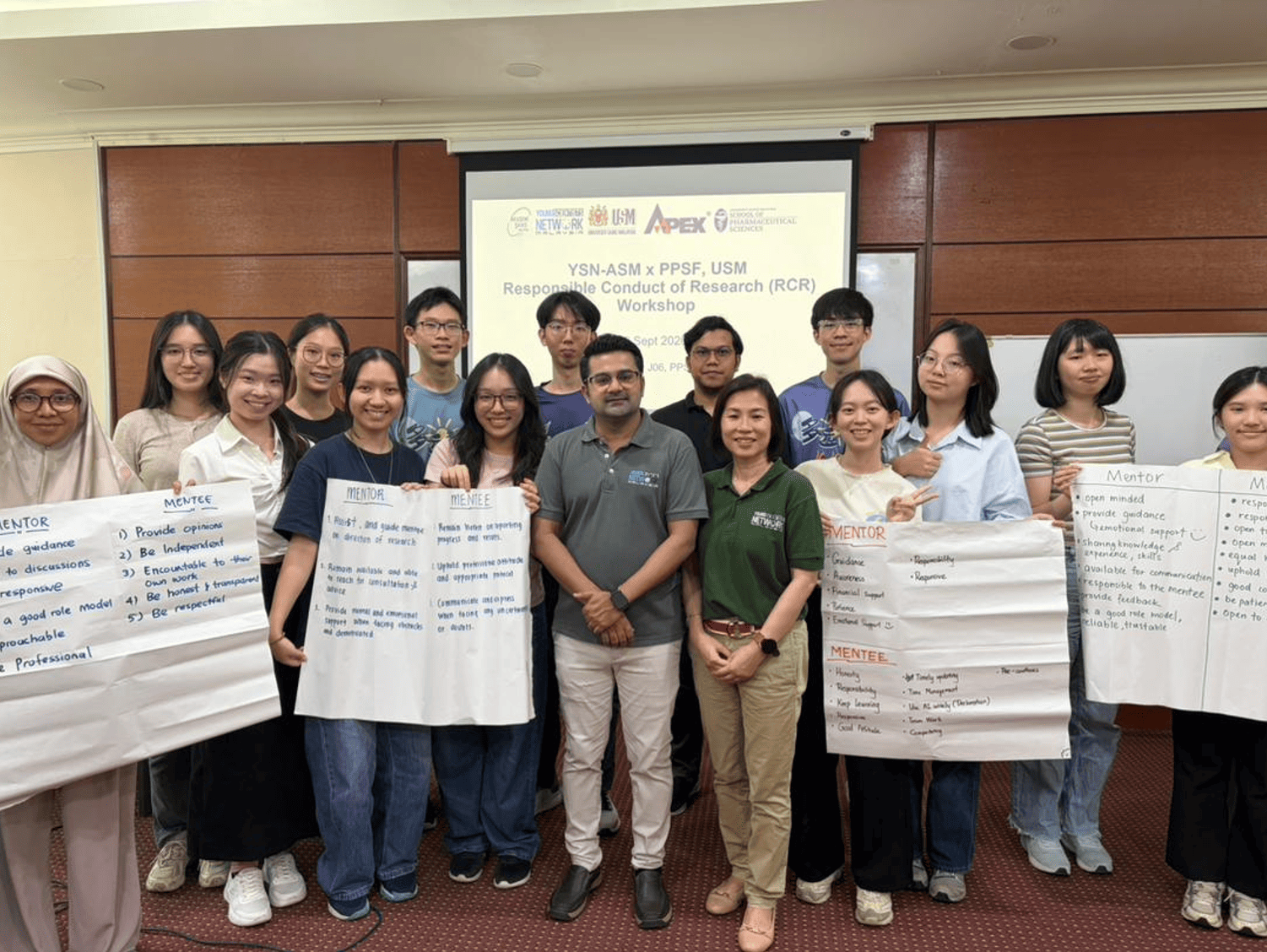
Group photograph at the end of the RCR Workshop
Prepared by:
Dr. Thaigarajan Parumasivam
School of Pharmaceutical Sciences, Universiti Sains Malaysia
Young Scientists Network–Academy of Sciences Malaysia (YSN-ASM)

0 Comments