
YSN-ASM and AKEPT Strengthen Malaysia’s Research Integrity Ecosystem through Responsible Conduct of Research Programme
The Young Scientists Network–Academy of Sciences Malaysia (YSN-ASM), in collaboration with the Higher Education Leadership Academy (AKEPT), successfully conducted two sessions of the Responsible Conduct of Research (RCR) Programme in 2025 — held from 13–15 June and 3–5 October at AKEPT.
This national capacity-building initiative aimed to strengthen Malaysia’s research integrity ecosystem by fostering awareness, ethical practices, and responsible behaviour among young scientists, academics, and researchers.
Building Awareness through Structured Learning
Across both sessions, 63 participants from public and private universities, government ministries, research institutes, and industry organisations participated in the three-day training programme. The sessions introduced nine core themes of research integrity — including ethical responsibilities of researchers, research misconduct, conflict of interest, authorship and publication ethics, data management, peer review, mentor–mentee relationships, culture of safety and dual-use research, and collaborative research.
Led by YSN-ASM Master Trainers — Prof. Ts. Dr. Mai Chun Wai, Asst. Prof. Ts. Dr. Michelle Teo Yee Mun, Assoc. Prof. Dr. Phan Chia Wei, and Assoc. Prof. Dr. Chew Yik Ling — the programme was supported by a dedicated team of facilitators: Dr. Karen Ng Lee Peng, ChM. Dr. Shahrul Nizam Ahmad, Assoc. Prof. Ts. Dr. Eugenie Tan Sin Sing, Dr. Khor Wai Ho, and Dr. Melissa Beata Martin.
Notably, Assoc. Prof. Ir. Dr. Steven Hoo Choon Lih and Assoc. Prof. Dr. Ng Wei Lun, who participated in the June 2025 session, returned as trainers for the October 2025 session — reflecting the Training of Trainers (ToT) Programme for RCR embedded within the RCR programme.
The ToT Programme for RCR, launched earlier this year under YSN-ASM’s Research Integrity initiative, aims to develop a sustainable national network of certified trainers who can champion responsible research practices within their institutions. To date, 20 RCR trainers have been certified through this initiative, expanding Malaysia’s capacity to deliver institutional RCR workshops and mentor the next generation of ethical researchers.
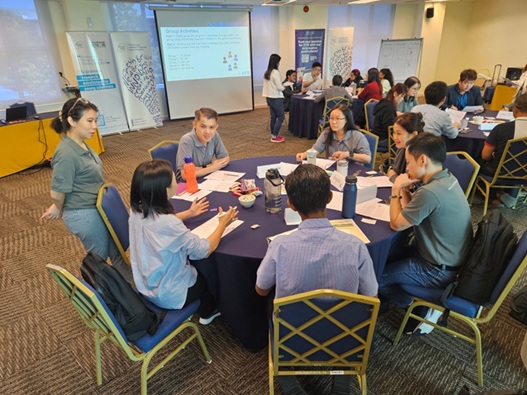
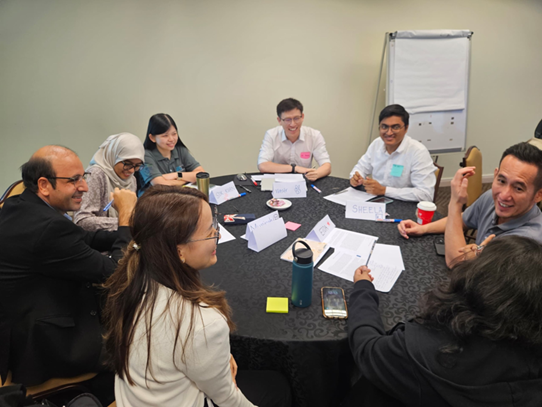
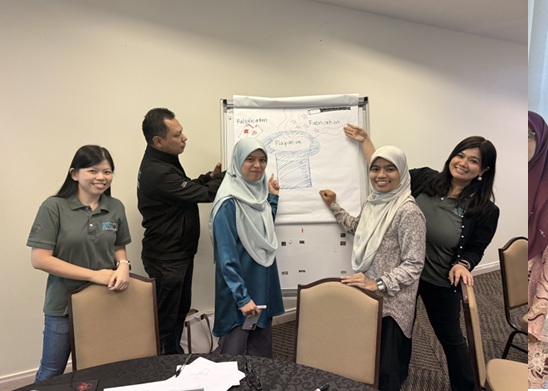
Through a combination of reflection-based learning, case studies, and small-group discussions, participants engaged in real-world ethical scenarios and explored practical strategies to strengthen integrity and accountability in their research environments.
Diverse Representation Across Malaysia’s Research Landscape
The RCR Programme brought together participants from 15 institutions, representing a wide spectrum of Malaysia’s research ecosystem. Public universities formed the largest contingent — including Universiti Teknologi Malaysia (8), Universiti Teknologi MARA (7), Universiti Malaya (6) and Universiti Teknologi PETRONAS (3) — while private universities such as IMU University (11), Sunway University (6), UCSI University (2), and Monash University Malaysia (2) also showed strong engagement.
Participation from national agencies and industry partners — including Cancer Research Malaysia, Institute for Youth Research Malaysia (IYRES), Institute for Public Health (MOH), IPSOS Malaysia, Petrosains Sdn. Bhd., and Kementerian Sains, Teknologi & Inovasi (MOSTI) — reflected Malaysia’s growing cross-sector commitment to fostering research integrity and transparency.
Fostering Change and Institutional Impact
Participants shared that the programme has inspired actionable changes within their institutions. Many plan to embed RCR principles into undergraduate research methods courses, postgraduate supervision frameworks, and research management centre activities.
“This programme reshaped how I think about authorship, mentorship, and responsible data sharing. I’m inspired to bring these practices back to my university,” shared one participant.
Another noted, “It’s not just about compliance — it’s about building trust and integrity as part of our research culture.”
Encouragingly, multiple institutions — including UCSI University, IMU University, Xiamen University Malaysia, Universiti Malaya, Universiti Teknologi Malaysia, Universiti Malaysia Terengganu, Universiti Putra Malaysia, and Sunway University — have already expressed interest in organising follow-up RCR workshops and training sessions in 2026, demonstrating the programme’s expanding multiplier effect.
Sustaining Malaysia’s Commitment to Research Integrity
Discussions throughout both sessions highlighted shared challenges faced by the research community, such as authorship disputes, predatory publishing, peer review ethics, data sharing barriers, and limited institutional awareness of research integrity principles. Addressing these issues collectively will be crucial to sustaining a national culture of responsible research.
The Responsible Conduct of Research Programme exemplifies YSN-ASM’s ongoing commitment to cultivating a research environment built on integrity, accountability, and excellence — ensuring Malaysia’s scientists are well-equipped to conduct world-class, ethical, and trustworthy research.
YSN-ASM extends its appreciation to the Higher Education Leadership Academy (AKEPT) for their continued support and for hosting the programme, reinforcing Malaysia’s shared mission to uphold the highest standards of research integrity and ethics.
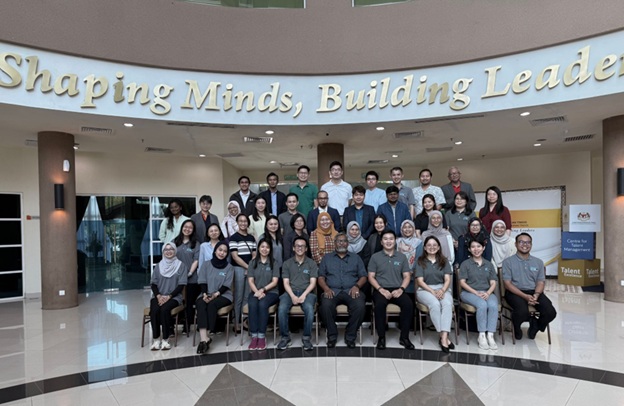
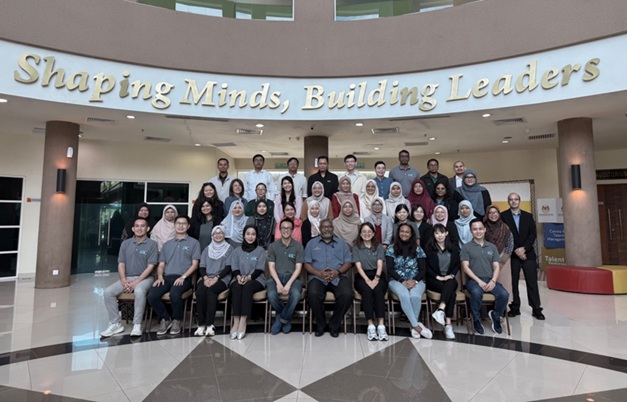
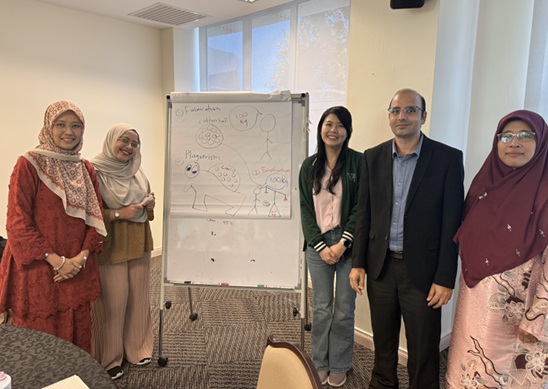
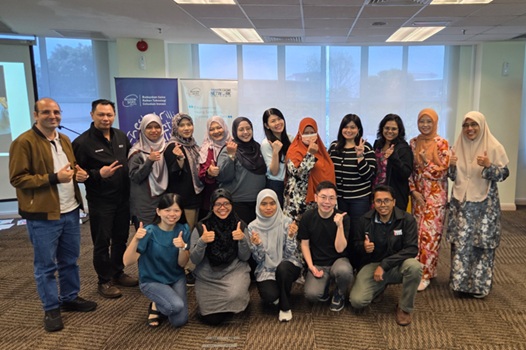
Photos: Group photo of participants during the RCR Programme at AKEPT (June and October 2025 sessions).
Photos: Participants actively taking part in group discussions and case study activities during the RCR Programme at AKEPT..



0 Comments